
Australia’s growing pipeline of battery energy storage projects is increasing the importance of reliable electrical infrastructure, with the Australian Energy Market Operator (AEMO) reporting that grid-scale batteries account for more than half of capacity progressing through the National Electricity Market’s connection process.
In its October 2026 Connections Scorecard update, AEMO said 80.9 gigawatts (GW) of generation and storage projects were progressing through the connection pipeline, a 43 per cent increase over the previous year. Grid-scale batteries accounted for 55 per cent of capacity moving through the end-to-end process, from application to commissioning.
During the September quarter, AEMO received 25 new connection applications representing 7.5 GW of capacity. Battery projects accounted for 19 of those applications, totalling 5.8 GW, or 76 per cent of the new capacity seeking connection.
The figures highlight the scale of investment being directed towards battery storage as Australia adapts its electricity system to accommodate more renewable generation. However, projects must progress through connection, registration and commissioning before their proposed capacity becomes operational.
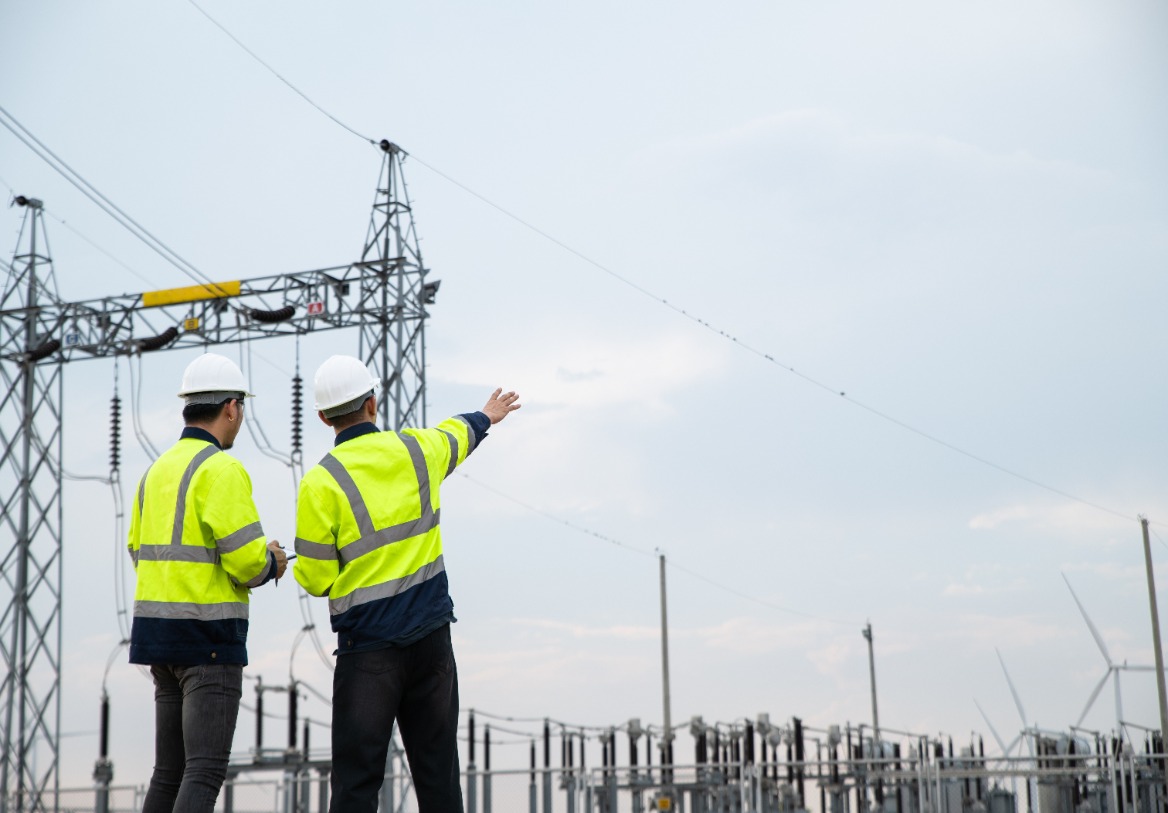
The expansion also brings greater attention to the electrical equipment required to connect storage systems to the grid. Transformers are a key component of electrical infrastructure, helping adjust voltage levels as electricity moves between generation, storage and transmission or distribution networks.
A report by Alvarez & Marsal (A&M), Understanding the BESS Market in Australia, highlighted the commercial and operational challenges facing battery energy storage developers, including tightening margins, evolving market conditions and equipment reliability.
The report noted that battery projects increasingly rely on multiple revenue streams, including energy arbitrage and ancillary services, to support their financial performance. It also identified supply chain volatility affecting components such as transformers, rare earths and semiconductors as a risk for project delivery.
For battery operators, equipment performance can affect system availability and the ability to participate in electricity markets. A&M warned that premature equipment failure could take systems offline during periods of high electricity prices, potentially reducing revenue.
Transformer selection and integration are therefore important considerations during project design and delivery. Factors such as losses, insulation, thermal management, capacity requirements and long-term maintenance can influence the reliability and efficiency of electrical infrastructure.
The broader investment pipeline is also being supported by government-backed storage initiatives. In June 2026, the Australian Government announced 15 successful projects under Capacity Investment Scheme Tender 8, with a combined capacity of 4.2 GW and 16.1 gigawatt-hours (GWh) of storage. The projects are expected to unlock around $6 billion in private investment and support more than 6,800 jobs across construction, operations and maintenance.
As Australia’s battery project pipeline expands, coordination between developers, equipment suppliers and network operators will remain important to moving projects from planning to operation. Reliable electrical infrastructure, including appropriately specified transformers, will be one consideration in delivering battery systems that can operate safely and efficiently over their intended service life.

 reporting that grid-scale batteries account for more than half of capacity progressing through the National Electricity Market’s connection process.)