
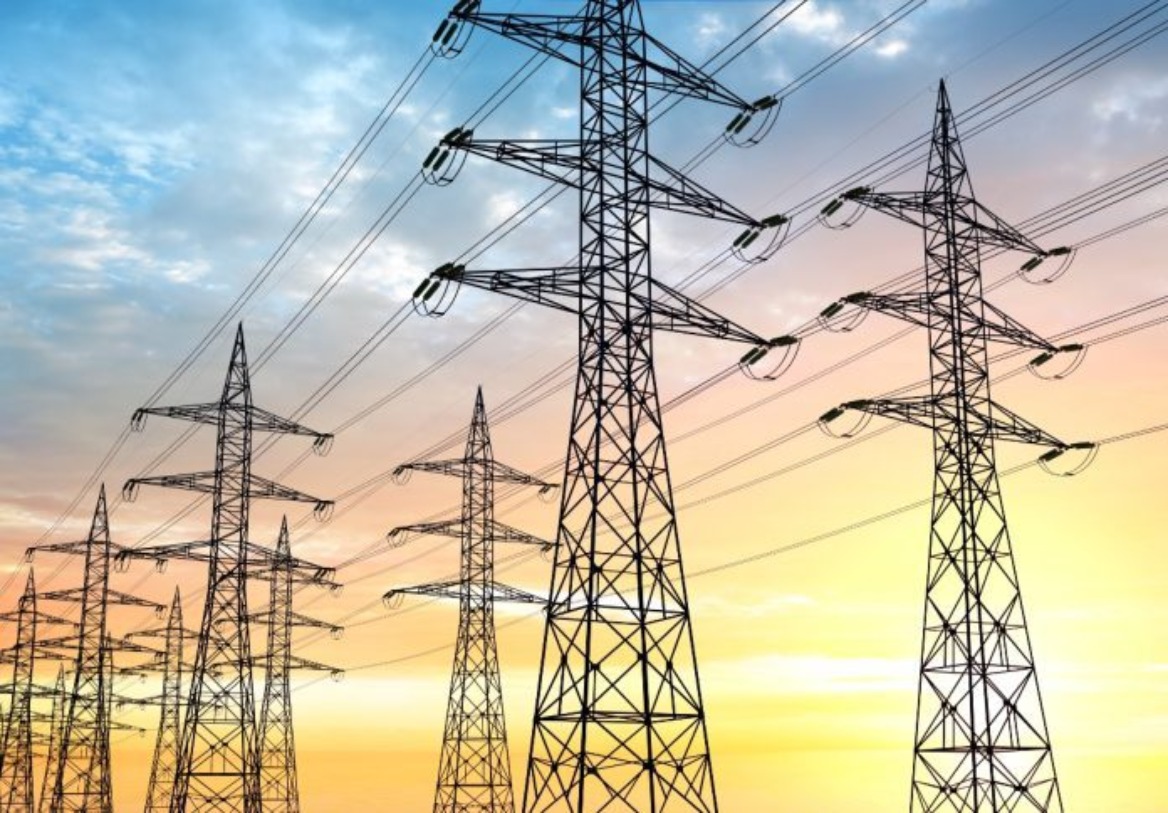
Australia’s rapid expansion of large-scale battery energy storage systems (BESS) is drawing attention to the importance of high-quality transformers in power control systems, as the nation accelerates its transition to renewable energy.
According to the Clean Energy Council’s Clean Energy Australia 2026 report, a record 4.3 gigawatts of large-scale battery capacity reached financial commitment in 2025, representing a 10 per cent increase on the previous year.
The Clean Energy Council’s Q4 2025 large-scale renewable generation and storage report also recorded 75 storage projects totalling 13 GW of power capacity and 34.7 GWh of storage capacity in the financially committed or under-construction pipeline.
These systems are critical for maintaining grid stability as coal generation retires, but their performance depends on more than just batteries and inverters. Transformers within the power control system play a key role in stepping up voltage, managing harmonics from inverter switching, and protecting equipment during faults. In a paper led by researchers at RMIT and published in IET Energy Systems Integration, engineers warn that poor-quality transformers can reduce efficiency, shorten asset life, and even risk regulatory non-compliance.
Recent projects highlight the role of transformers in large-scale storage. The Melbourne Renewable Energy Hub (MREH) in Victoria is now operational, providing 600 MW of capacity and 1.6 gigawatt-hours of storage. Completed in December 2025, the project uses battery units to store excess electricity from renewable sources and release it when needed, supporting the electricity network as coal-fired power stations retire.
In New South Wales, the Eraring BESS project is deploying high-capacity transformers as part of its integration with the transmission network. Developed by Origin Energy, the first stage is operating with 460 MW of capacity and approximately four hours of dispatch duration. A second 240 MW stage is under construction and is scheduled to come online in early 2027. Further details are available from Origin Energy’s Eraring Battery project page.
Lake Bonney BESS, in its final report covering two full years of operation, shows high system availability, and only limited impacts from transformer load management constraints. The project was installed alongside the Lake Bonney wind farms that have a combined capacity of 278.5 MW.
Also, broader clean-energy market assessments continue to highlight the importance of storage and other grid-supporting infrastructure as Australia’s electricity system changes.
According to the Australian Energy Market Operator’s (AEMO) 2026 Electricity Statement of Opportunities, the reliability outlook for the National Electricity Market has improved, with no reliability gaps forecast before 2030. AEMO reported that 9.1 GW of new generation and storage capacity connected during 2025–26, while continued investment in generation, storage and transmission will be needed as electricity demand grows and ageing generation retires.
Australia’s rapid rollout of industrial battery storage is demonstrating that transformer innovation is just as critical as advances in batteries and inverters.
With local manufacturers investing in purpose-built designs and projects reporting high reliability, the importance of high-quality transformers in power control systems is increasingly clear to meeting Australia’s clean energy goals.
For more on power control systems and transformer solutions tailored for energy storage, visit CMP Controls.

 is drawing attention to the importance of high-quality transformers in power control systems, as the nation accelerates its transition to renewable energy.)